

By Jaff Bamenjo, Coordinator, RELUFA
The Far North Region is one of the most densely populated and poorest regions in Cameroon, and has faced the highest level of food insecurity in the country for several decades. Out of approximately four million people in the region, 35.5% face severe localized food insecurity. Most of the population relies on subsistence farming, supplemented by livestock chiefly chicken, goats, sheep, and cows.
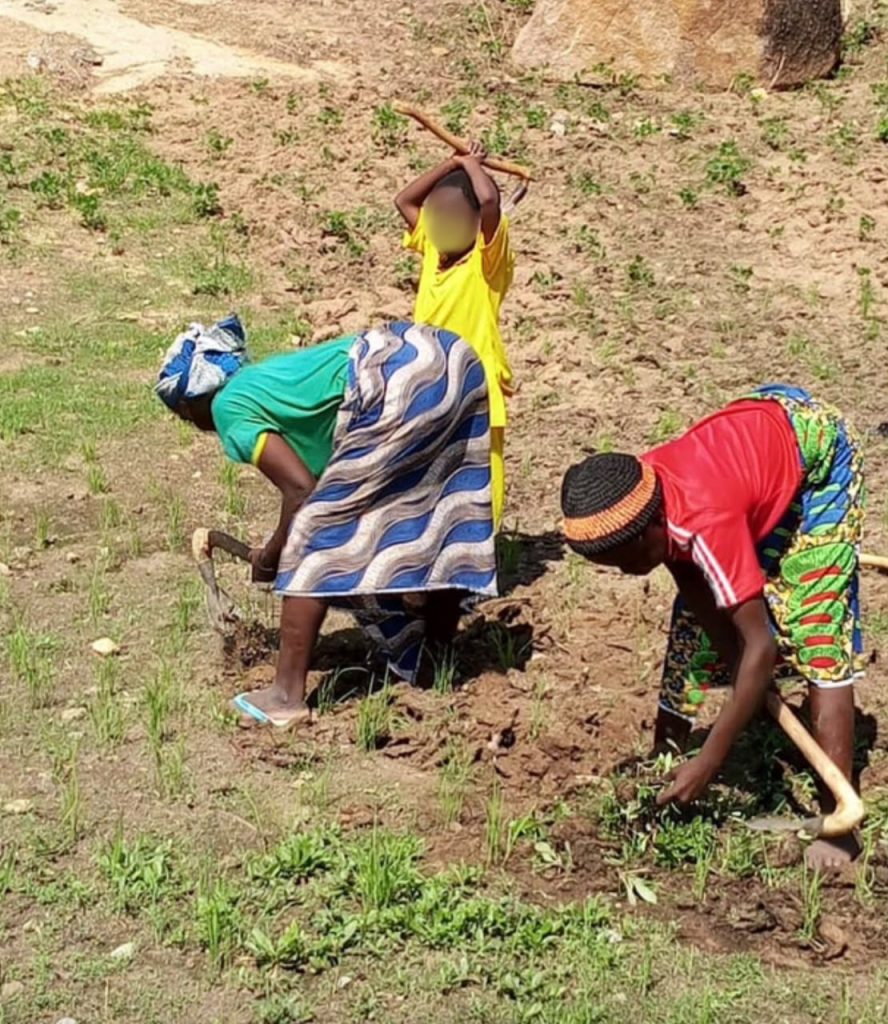
Hunger has therefore long been a defining concern in most villages, driven by insufficient food production in a harsh semi-arid Sahel climate marked by erratic rainfall. Occasional cricket attacks on crops and the rocky topography in parts of the Mayo Tsanaga Division compound the problem with consistently poor harvests. Most families can only produce enough food to feed themselves for about eight months of the year. The rainy season, from July to September, is the region’s lean period a stretch when hunger becomes widespread and many families struggle to afford even one meal a day.
One Family’s Story: Marcel of Zozo Mosso
It is in this context that Ayatou Marcel has spent his entire life. While visiting his village, Zozo Mosso, in the Mokolo Sub-Division of Mayo Tsanaga, in July 2026, his testimony was striking. At just ten years old, Marcel was already working in wealthier families’ farms alongside his parents, earning millet to help feed his own family through the lean season. His experience mirrors that of most young people who have grown up in the Far North Region.
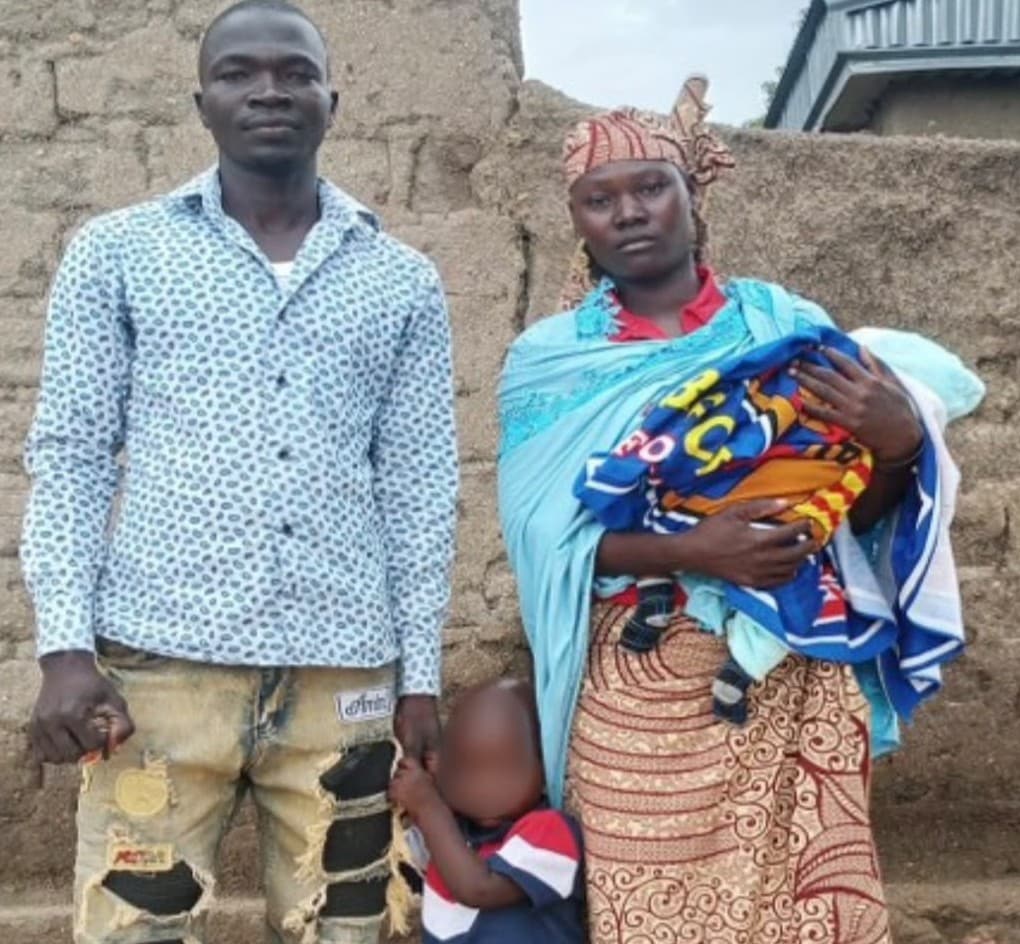
Marcel is now married with two children, and still farms alongside his wife to feed his family. To supplement their income, he has taken a motorbike on hire purchase, which he rides on village market days to earn extra money. Unlike Marcel who has chosen to stay in the village despite the hardship young men from the region migrate to Yaoundé, Douala, or other towns, sometimes leaving wives and children behind. In the cities, they typically find work in the informal sector, most commonly as street hawkers.
A Community-Led Response: Cereal Banks
Marcel’s resilience is not an isolated story it reflects a broader, community driven response that RELUFA has helped build over nearly two decades. Back in 2006, RELUFA initiated a community cereal bank program in selected villages across the Diamaré and Mayo Tsanaga Divisions, designed as a sustainable alternative to the recurrent hunger crisis. Working directly with community members, RELUFA staff sought to understand what kind of intervention would genuinely meet local needs and the communities themselves proposed a rotating cereal stock: food that villagers could borrow during the lean period and repay after their next harvest.
The logic is simple but powerful. During the lean season, families typically buy food at inflated market prices or borrow from wealthy merchants, often repaying three to four times the amount borrowed once harvest comes in. RELUFA’s model breaks that cycle: each participating village receives an initial allocation of 60 bags of millet, creating a permanent, self-renewing food reserve available year-round. With this system in place, people facing shortages no longer need to migrate elsewhere or labor in others’ fields simply to secure a family meal. It has proven to be one of the region’s most effective coping strategies.
A New Threat Layered on an Old One
Even as these community systems have taken root, a newer crisis has deepened the region’s vulnerability. Since 2013, Boko Haram the radical Islamist movement operating along the Nigeria Cameroon border has added fresh trauma to a population already stretched thin. Sect members have terrorized border villages, killing or kidnapping residents and destroying food stocks and livestock. Their presence has driven an influx of both Nigerian refugees and internally displaced Cameroonians an estimated 100,000 people forced from their homes further straining food security in an already fragile region.
As displaced families abandon their farms, local food production falls and prices rise. Host villages now face mounting pressure on food, water, and wood, and in some cases, this pressure has spilled over into social conflict between host and displaced communities.
Scaling Up the Response
In light of these compounding pressures, RELUFA has moved to scale up its intervention pairing community cereal banks with new efforts to boost local food production through organic fertilization and other agricultural support. After years working alongside these communities through both climatic and security crises, I have come away with a clear conviction: the people of the Far North are not waiting passively for hunger to pass. They are building their own solutions, and with the right support, those solutions can go further.
RELUFA’s cereal bank and organic fertilization programs offer a proven, community owned model for addressing chronic and crisis driven food insecurity but expanding them to reach more villages, including those newly burdened by displacement, will require additional partners and funding. We invite donors, institutions, and fellow organizations to join us in scaling this work where it is needed most.


Beaucoup d’encouragement à RELUFA dont l’action impacte positivement la vie des populations fragilisées, délaissées et en détresse et leur redonne le goût et l’espoir à la vie.
Heartfelt gratitude to RELUFA Cameroon for their unwavering commitment to the Far North Region. Facing the severe impacts of armed conflict, displacement, and flooding, your localized initiatives from climate adaptive farming support to providing emergency food security are literally lifesaving. Thank you for empowering marginalized communities and restoring hope!