

By Dominique KEGOUM / Program assistant
“Strengthening the Engagement of Local Actors in the Governance of Natural Resources in Northern Cameroon” project, abbreviated as REAL-GRNS, is implemented by CED, FODER, and RELUFA, with financial support from the European Union. The project aims to strengthen the participation of local stakeholders in the governance of natural resources in the Adamawa and Northern regions of Cameroon. The project comprises three components: land governance, mining, and food security, with RELUFA leading the food security component. In the northern regions of Cameroon, food security is no longer solely a matter of agricultural production. It is increasingly threatened by multiple pressures, including agropastoral conflicts, mining activities, land pressures, large-scale population movements, and insecurity. Findings from a field mission conducted by RELUFA between August and September 2025 under the REAL-GRNS project highlight the magnitude of these challenges and their impact on local communities and regional stability.
The balance between farmers and pastoralists remains fragile in northern Cameroon due to increasing population pressure, limited land availability, and, in many areas, the absence of clearly demarcated agricultural and grazing zones, which continue to fuel tensions. Beyond land-related pressures, migration and artisanal gold mining illustrate the complexity of current dynamics in the municipalities of Mbé and Meiganga. Both municipalities host large numbers of internally displaced persons (IDPs) who have fled insecurity in other parts of the country. These populations often arrive with their own cultural practices and, in some cases, settle on agricultural or grazing land, altering existing land-use patterns and generating tensions and resource-use conflicts with host communities.
At the same time, artisanal gold mining is expanding rapidly in Mbé, where it has already degraded nearly 60 hectares of agricultural land, according to estimates from the Divisional Delegation of the Ministry of Agriculture and Rural Development (MINADER). The activity attracts a large workforce, including young people and school dropouts, drawing them away from farming. Its impacts are far-reaching, including the loss of arable land, environmental pollution, rising food prices, and increased social insecurity. According to local authorities, the gradual shift from agriculture to artisanal mining poses a significant threat to the long-term food security and sustainability of the municipality.
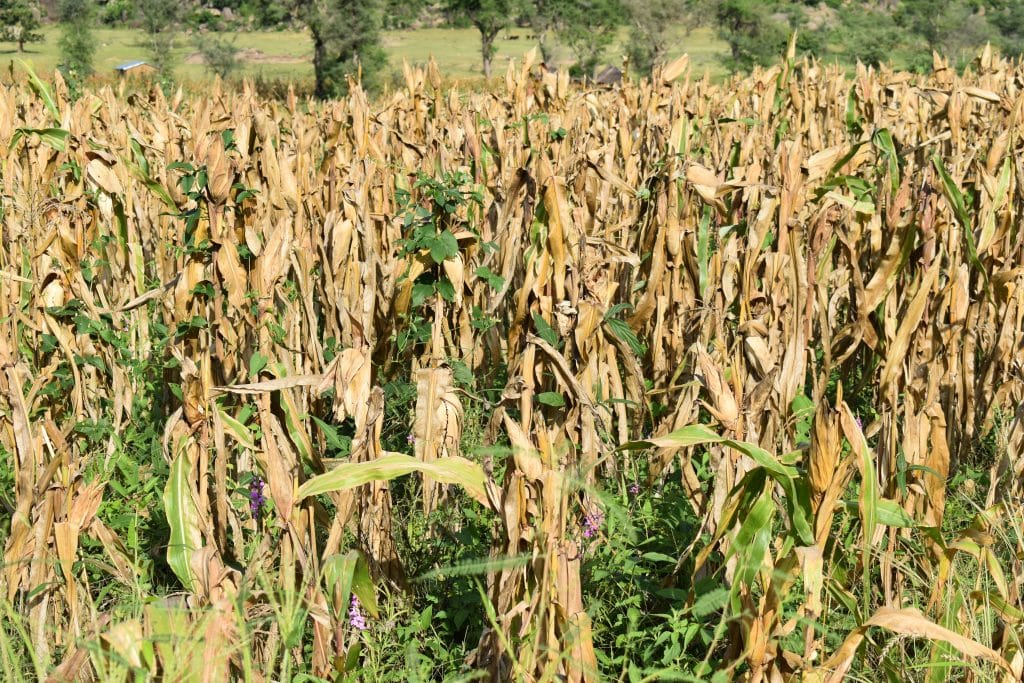
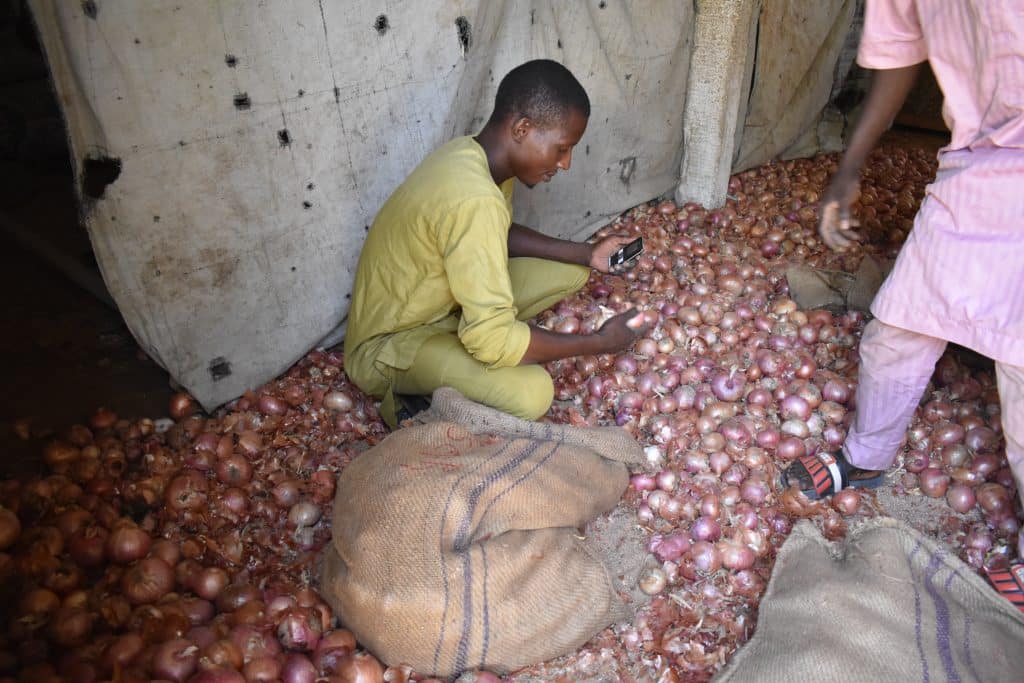
In Meiganga, food security is under severe pressure from multiple threats. Agropastoral conflicts are particularly acute in the Bekaguiwang and Garga Limbona areas—where the Sanaga River originates—due to the large influx of herders and their livestock fleeing insecurity in other regions, particularly Mayo-Rey and the Central African Republic (CAR). This growing population movement has disrupted local land-use patterns, making coexistence between farmers and pastoralists increasingly difficult and contributing to theft, kidnappings, violence, and a general climate of fear and instability. The arrival of refugees and internally displaced persons has further intensified pressure on land resources and encouraged environmentally harmful practices, including increased deforestation and charcoal production, which has become a thriving activity in communities located along National Road No. 1.
Another major challenge in the municipality is found in Batoua Godolé, a locality bordering the Central African Republic, where illegal mining activities are further aggravating the situation. Agricultural and grazing lands are being occupied, exploited, and abandoned without any form of rehabilitation, leaving lasting environmental and economic damage. According to the Mayor, this situation threatens the municipality through the continued loss of productive farmland, rising living costs, and increasing pressure on schools, health facilities, and other public infrastructure, with potentially long-term consequences for local food security and sustainable development.
What Are the Impacts on Social Cohesion and Food Security?
The findings from Mbé and Meiganga demonstrate that food security can no longer be viewed solely through the lens of agricultural production. Today, security, environmental, and land governance challenges directly shape the food security prospects of local communities. Agropastoral conflicts create instability that discourages agricultural investment and undermines social cohesion. At the same time, artisanal gold mining and illegal mining activities reduce the amount of arable land available, widen socioeconomic inequalities, and increase dependence on unsustainable livelihood activities. Furthermore, large-scale population movements—including refugees and internally displaced persons, have intensified pressure on land resources, exacerbated land-use conflicts, and accelerated deforestation, thereby reducing the long-term productivity of agricultural land. Together, these interconnected challenges are weakening local development efforts, threatening social stability, and undermining the resilience of food systems across northern Cameroon.
Investing in Local Governance and Community Resilience
In the face of these challenges, it is essential to strengthen local capacities in conflict mediation, sustainable natural resource management, and food security monitoring. For RELUFA’s initiatives to thrive and bring about meaningful change, they need to be supported by public policies, sustainable financing, and the active involvement of local civil society organizations (CSOs). This is how communities in northern Cameroon can build strong resilience, reduce the risks of crises, and safeguard their right to food.

